
What Dual UK and Malta Casino Licenses Mean for Travelling Poker Players
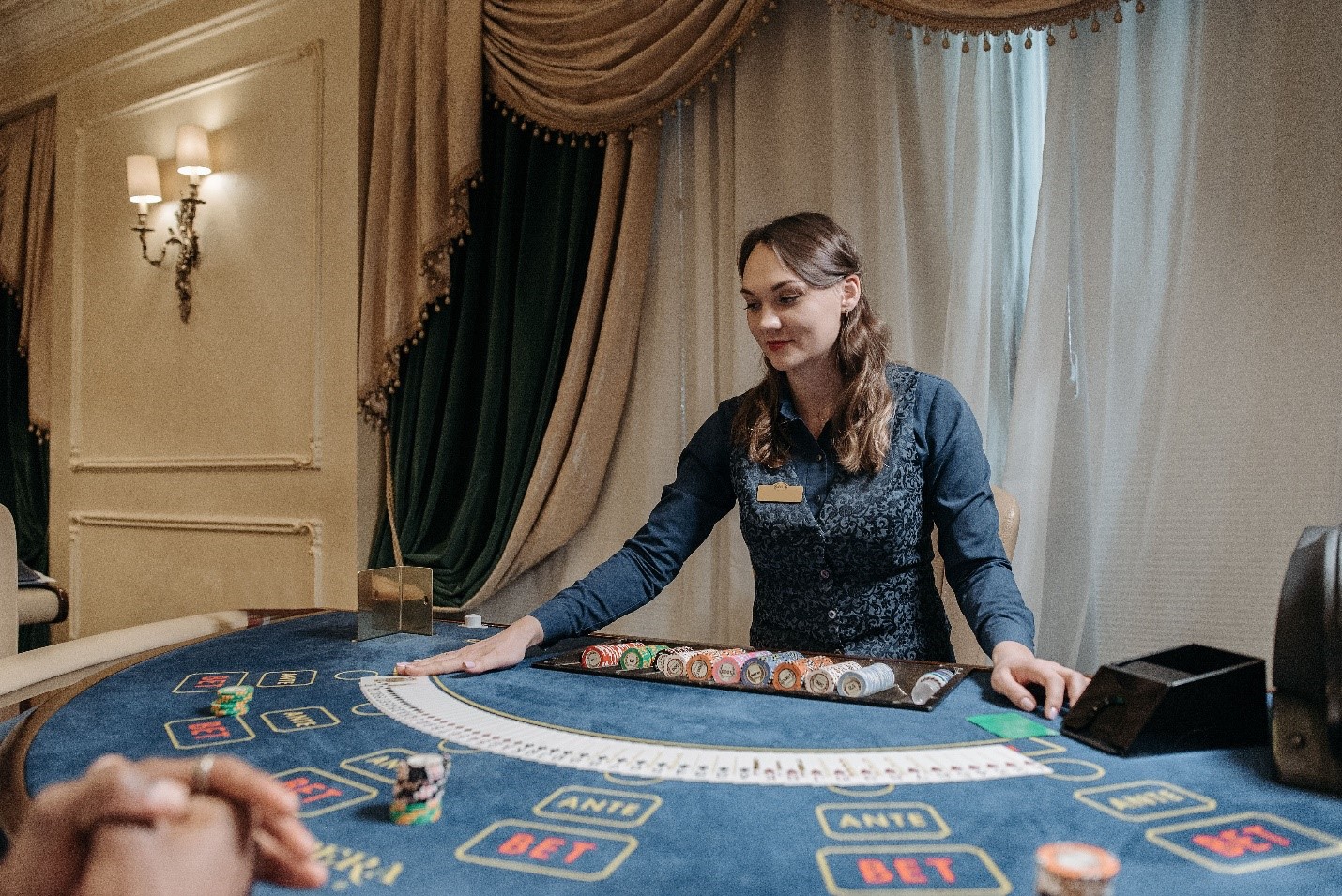
Live poker means travel. A festival in Barcelona one month, a series in Malta the next. What few players think about before boarding is that casino licenses decide what you can do online in each of those places, and the site you use at home can behave very differently once you cross a border.
If you only ever play from your own sofa, licensing is background noise. Your local regulator approves the operators you use, geolocation confirms you are where you say you are, and everything simply works. Log in from a hotel room in another country and you find out which rulebook your operator actually follows.
Why Your Location Changes What You Can Play
Online gambling is regulated where the player sits, not where the company keeps its servers. An operator needs permission from the British regulator to take bets from someone in Manchester, and that permission says nothing about whether the same customer can spin a reel from a beach bar in Sliema.
Operators manage this with geolocation. When you open a casino site or app, it checks the country you are connecting from against the list of markets it is licensed, and willing, to serve. Depending on the answer, you get full access, a thinned-out lobby with certain games missing, or a polite block screen.
Poker players run into this more than almost anyone, because the travel never stops. Poker tournaments in London one week, a Maltese festival stop the next: each trip puts your online account in a different legal environment, whether you notice it or not.
UKGC and MGA: The Two Casino Licenses You Keep Meeting
Two regulators dominate the conversation for English-speaking players in Europe.
The UK Gambling Commission licenses every operator that takes customers in Great Britain, wherever in the world that operator is based. Its rules are why UK players see strict identity checks at sign-up, and why bonus terms have to be written out in full rather than buried in a PDF.
The Malta Gaming Authority does a different job. Malta built a licensing regime for operators serving many countries at once, and an MGA license is often what keeps a site open to customers across the rest of Europe and beyond.
Plenty of operators hold both. The UK license covers their British customers, the Maltese license covers a long list of other markets. For the player, a dual setup is usually good news. It means two separate regulators have examined the same company, and it suggests the operator intends to keep serving you when you leave home rather than locking the door behind you.
What Actually Happens to Your Account Abroad
The practical effects of licensing show up in small, irritating ways:
• Logins: Some operators let you access your account from abroad but limit what you can do, for example allowing withdrawals while blocking new deposits.
• Game lobbies: Software providers license their games per market too, so a slot you play at home can be missing from the lobby in another country, even on the same site.
• Pending withdrawals: A payout requested before you travelled will normally still process, but support queries move slower once your account shows an unusual location.
• Verification: Logging in from a new country can trigger a fresh identity check. If your documents are not to hand, the account can sit restricted until you are back home.
None of this is the operator being awkward for the sake of it. Serving a customer in a market where it holds no license can cost a company its licenses everywhere else, so when in doubt, they block.
How to Check Before You Fly
The fix is boring and it works: find out where your operator is licensed before you plan a trip around your rest-day sessions.
Every licensed casino has to display its license details, usually in the footer of the homepage. Look for the regulator’s name and a license number. The footer alone is not proof, since anyone can paste a logo onto a webpage, but it tells you what to verify.
Independent review sites do part of this work for you, because license checks are a standard section of any serious write-up. A recent 666 casino review shows the pattern: the operator’s dual UK and Malta licenses are flagged at the top of the assessment, with the license number and issue date, before the review gets anywhere near games or payout speeds. That ordering is deliberate. Reviewers treat licensing as the first filter because everything else about a casino matters very little if it answers to no one.
For British players, the second step is the Gambling Commission’s public register, which lists every active licensee along with any regulatory action taken against them. The MGA runs an equivalent register for its own licenses. Two minutes on either one tells you more than any amount of homepage marketing.
A poker trip already involves enough logistics: flights, hotels, buy-ins, the eternal question of how many hoodies one suitcase can hold. Knowing which licenses your casino holds will never be the exciting part of the planning. It is, however, the difference between a quiet rest-day session in your hotel room and an evening spent arguing with a geolocation error, and only one of those is any fun.